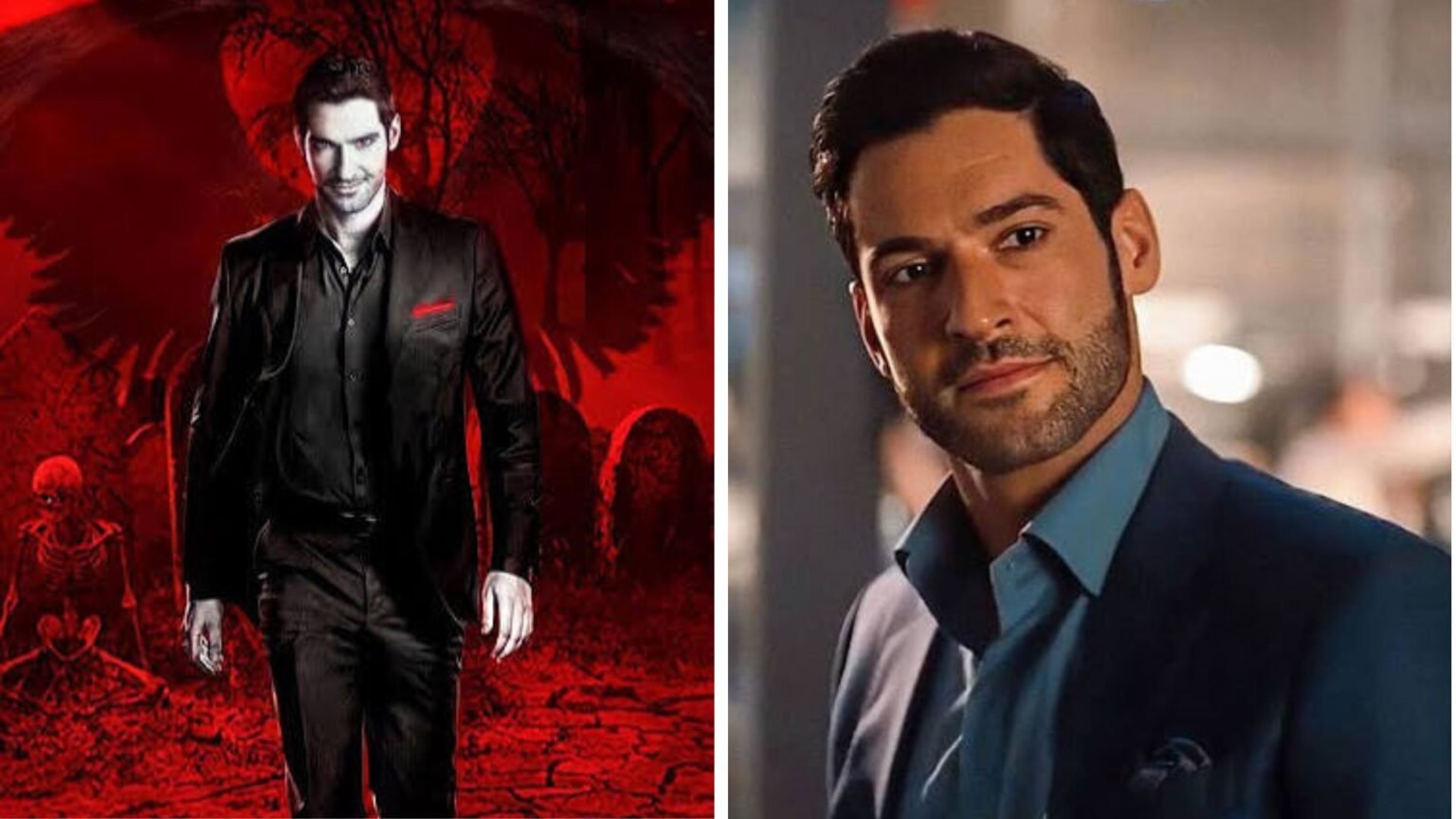
Lucifer Morningstar is one of DC Comics’ most distinctive supernatural characters, combining immense power with rebellion, free will, intelligence, and an unusual fascination with humanity. First introduced in The Sandman, the character later became the focus of his own comic series and inspired the television series Lucifer, in which Tom Ellis played the title role.
Although different versions exist across comics and television, the central idea remains recognizable: Lucifer is a fallen celestial being who refuses to accept that his identity must be defined by his traditional role in Hell. That conflict between destiny and personal choice is at the heart of his story.
Who Is Lucifer Morningstar?
In DC Comics, Lucifer Morningstar is an archangel who rebelled against Heaven and eventually became the ruler of Hell. DC describes him as an immortal being who grew tired of his responsibilities and ultimately abandoned his throne. He later established himself in Los Angeles, where he operated the Lux nightclub.
The character first appeared in The Sandman #4 in 1989, created by Neil Gaiman and artist Sam Kieth. He was subsequently developed into a major character in Mike Carey’s Lucifer comic series.
That comic-book version is notably different from the television interpretation. The comics emphasize cosmic mythology, metaphysical questions, and Lucifer’s determination to control his own existence. His defining struggle is not simply good versus evil; it is autonomy versus predestination.
Lucifer Morningstar in the TV Series
The television series Lucifer premiered in 2016 and stars Tom Ellis as the titular character. The show takes the basic DC concept and places it inside a crime drama, following Lucifer after he leaves Hell and settles in Los Angeles.
In the series, Lucifer owns Lux and becomes involved with Los Angeles homicide detective Chloe Decker. Their relationship becomes one of the show’s central storylines, while Lucifer gradually confronts questions about responsibility, family, love, identity, and redemption.
The television adaptation ran for six seasons, with Netflix’s final season released in 2021. Netflix’s own coverage describes Lucifer’s eventual role as a therapist helping the souls of Hell, reflecting the show’s broader shift from a simple crime-fantasy premise toward questions about personal growth and purpose.
Tom Ellis’ interpretation
Tom Ellis gave the character a particularly charismatic television identity. His portrayal combines humor, confidence, vulnerability, theatricality, and emotional conflict. Paramount describes Ellis as best known for his portrayal of Lucifer Morningstar and highlights the character’s witty and morally complex nature.
That performance also helped distinguish the TV character from his comic-book counterpart. Rather than presenting Lucifer primarily as an abstract cosmic figure, the series makes him a highly personal character whose supernatural abilities interact with ordinary human relationships.
Lucifer Morningstar vs. the Comic Version
The name and mythology connect the versions, but they should not be treated as identical characters.
| Feature | DC Comics | TV Series |
|---|---|---|
| Origin | Began in The Sandman | Adapted from the DC character |
| Main portrayal | Cosmic and philosophical | Crime drama and character-focused |
| Los Angeles | A major setting after leaving Hell | Central setting of the series |
| Profession | Proprietor of Lux in the comics | Owner of Lux and consultant to the LAPD |
| Major themes | Free will, creation, destiny | Identity, relationships, redemption |
| Actor | Various adaptations | Tom Ellis |
The differences are significant because the television series reshapes mythology for a long-running serialized story. Netflix itself notes that the TV character is based on the comic-book version while presenting its own interpretation of the fallen angel.
What Are Lucifer’s Powers?
Lucifer Morningstar is portrayed as extraordinarily powerful, although the exact abilities depend on the version of the character.
In the comics, his status as an archangel places him among DC’s most powerful supernatural beings. His abilities are associated with immense strength, immortality, supernatural perception, manipulation of celestial forces, and extraordinary resistance to conventional forms of harm. His power is closely connected to his cosmic nature rather than simply being a collection of superhero abilities.
The television version has a different power set. Among his most recognizable abilities is his talent for making people reveal their deepest desires. He also possesses supernatural strength, immortality, heightened resilience, and wings that become an important part of his identity.
A major distinction is that the TV series frequently uses his abilities to explore character psychology. His supernatural gifts often reveal what people want, fear, or refuse to admit.
💡 Pro Tip: If you’re comparing versions of Lucifer, separate comic-book canon from TV canon. Details about his powers, relationships, history, and cosmic status can differ substantially, so treating every adaptation detail as part of one continuity can create unnecessary confusion.
Why Is Lucifer Such a Popular Character?
Lucifer’s appeal comes from the contradiction at the center of his personality. He is extraordinarily powerful but repeatedly struggles with insecurity and questions about his purpose. He can appear arrogant and self-assured while simultaneously searching for approval, affection, and independence.
His relationship with free will is particularly important. DC presents his story as an ongoing conflict between destiny and the desire to determine his own path.
That theme gives the character more depth than a conventional villain. He is not simply interested in causing suffering. In the DC mythology, he becomes increasingly concerned with creating an existence outside the control of Heaven, Hell, and predetermined expectations.
The television series translates this concept into more familiar emotional territory. Lucifer’s struggles with his family, Chloe, Maze, Amenadiel, and his own self-image make supernatural questions feel personal.
Is Lucifer Morningstar the Same Character as the Devil?
Lucifer is inspired by traditional religious and literary ideas about Lucifer and the Devil, but the DC character is a fictional reinterpretation rather than a direct representation of religious doctrine.
DC’s version draws on biblical imagery as well as literary influences, including John Milton’s Paradise Lost. DC’s historical overview specifically notes the character’s connection to Milton’s portrayal and explains how the comic developed its own mythology.
The television series takes even greater creative liberties. It uses the familiar identity of Lucifer while building an original fictional universe around him.
📌 Key Takeaway: Lucifer Morningstar is best understood as an evolving fictional character whose core themes are rebellion, free will, identity, and redemption. The DC comics present a more cosmic interpretation, while Lucifer turns those ideas into an accessible character drama.
Frequently Asked Questions
Is Lucifer Morningstar a DC character?
Yes. Lucifer originated in DC’s The Sandman, first appearing in 1989, before receiving his own comic series. The character was created for the comics by Neil Gaiman and Sam Kieth and was later developed extensively by Mike Carey.
Who plays Lucifer in the TV series?
Tom Ellis plays Lucifer in the television series Lucifer. He portrays the character across all six seasons and became strongly associated with the role. Netflix and Paramount both identify Ellis as the actor behind the television version.
Is Lucifer Morningstar the ruler of Hell?
In the mythology, Lucifer becomes ruler of Hell after rebelling against Heaven. However, his relationship with Hell changes significantly. The comic version eventually abandons his position, while the television series builds its own interpretation of why he leaves and what happens afterward.
Is Lucifer based on a comic book?
Yes. The television series is based on the DC Comics character who originated in The Sandman and later appeared in the Lucifer comic series. The TV adaptation changes many details while retaining the central concept of Lucifer leaving Hell and seeking a different existence.
Did the TV series Lucifer end?
Yes. The television series concluded with its sixth season in 2021. Netflix’s coverage of the final season explains how Lucifer’s story ultimately leads him toward a very different purpose: helping the souls of Hell through therapy.
Lucifer Morningstar remains compelling because his story is not simply about an angel who rebelled against Heaven. Across comics and television, he represents the desire to define oneself rather than accept a predetermined identity. That combination of supernatural power, wit, vulnerability, and philosophical conflict explains why the character has remained prominent across different adaptations.